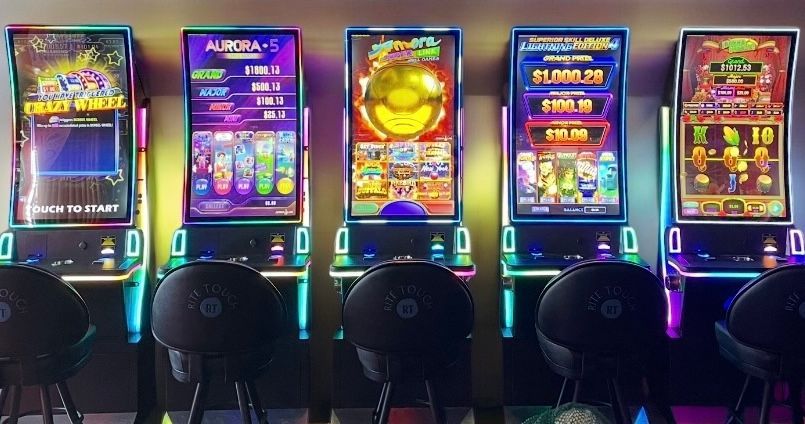
PCAP Touch Screen Monitors Explained
PCAP Touch vs Standard Monitors Explained

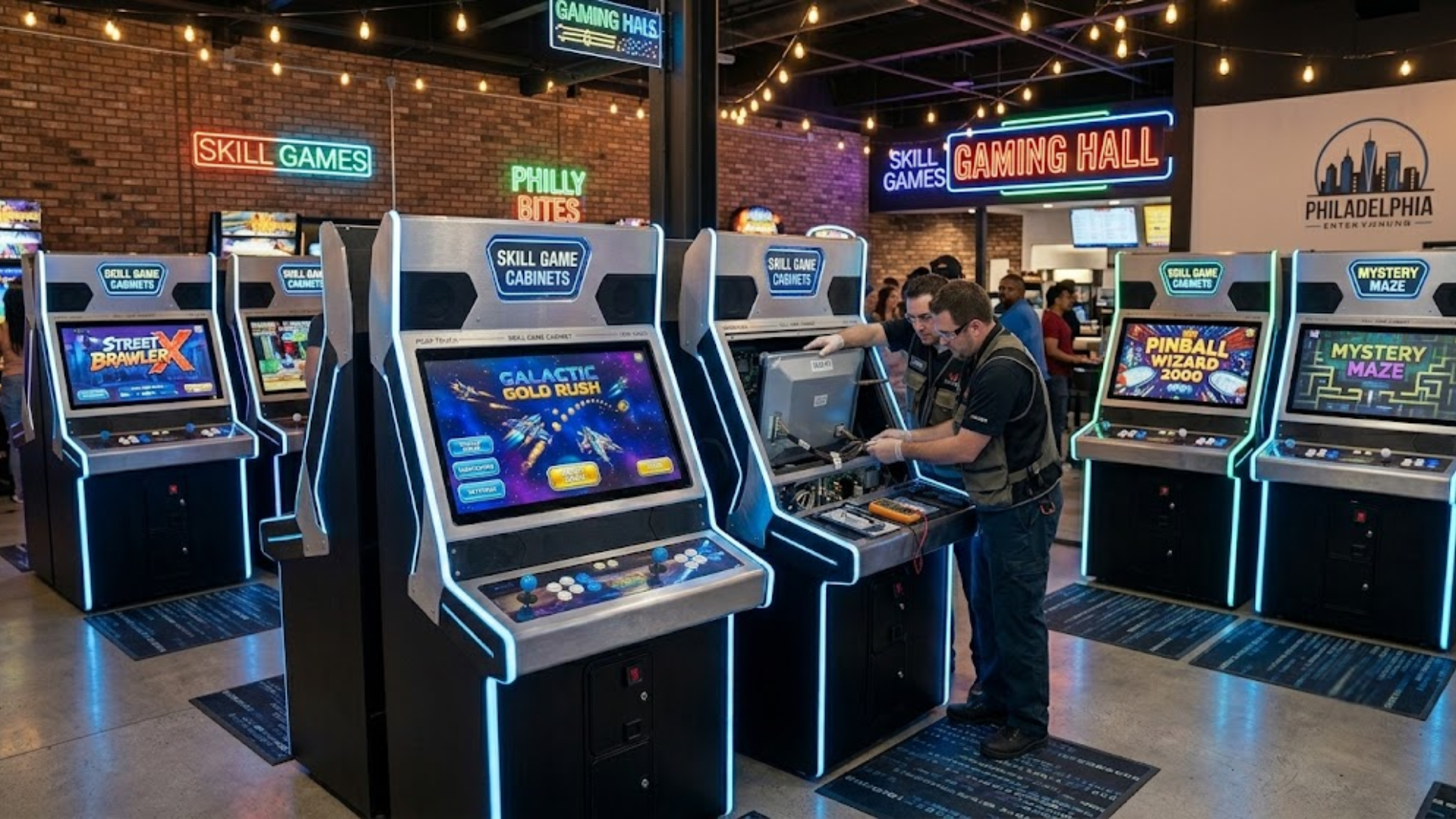
Arcade owners rely on equipment that can take constant use, fast input, and long operating hours. The monitor inside a cabinet is not just a screen. It affects how players interact with the game, how responsive the cabinet feels, and how professional the setup looks on the floor.
For businesses in Philadelphia, PA, where entertainment venues compete for attention, the right display can make a noticeable difference. A cabinet with a slow or outdated screen can feel frustrating, even if the game itself is solid. Players expect quick reactions, clear visuals, and a touch surface that works without hesitation.
That is where PCAP touch screen monitors come in. Compared with many standard monitors, PCAP technology is designed for smoother touch control, better durability, and a cleaner modern feel. If you are planning cabinet upgrades or evaluating new arcade displays, understanding the difference can help you choose the right product before you buy.
What Makes PCAP Touch Screen Monitors Different?
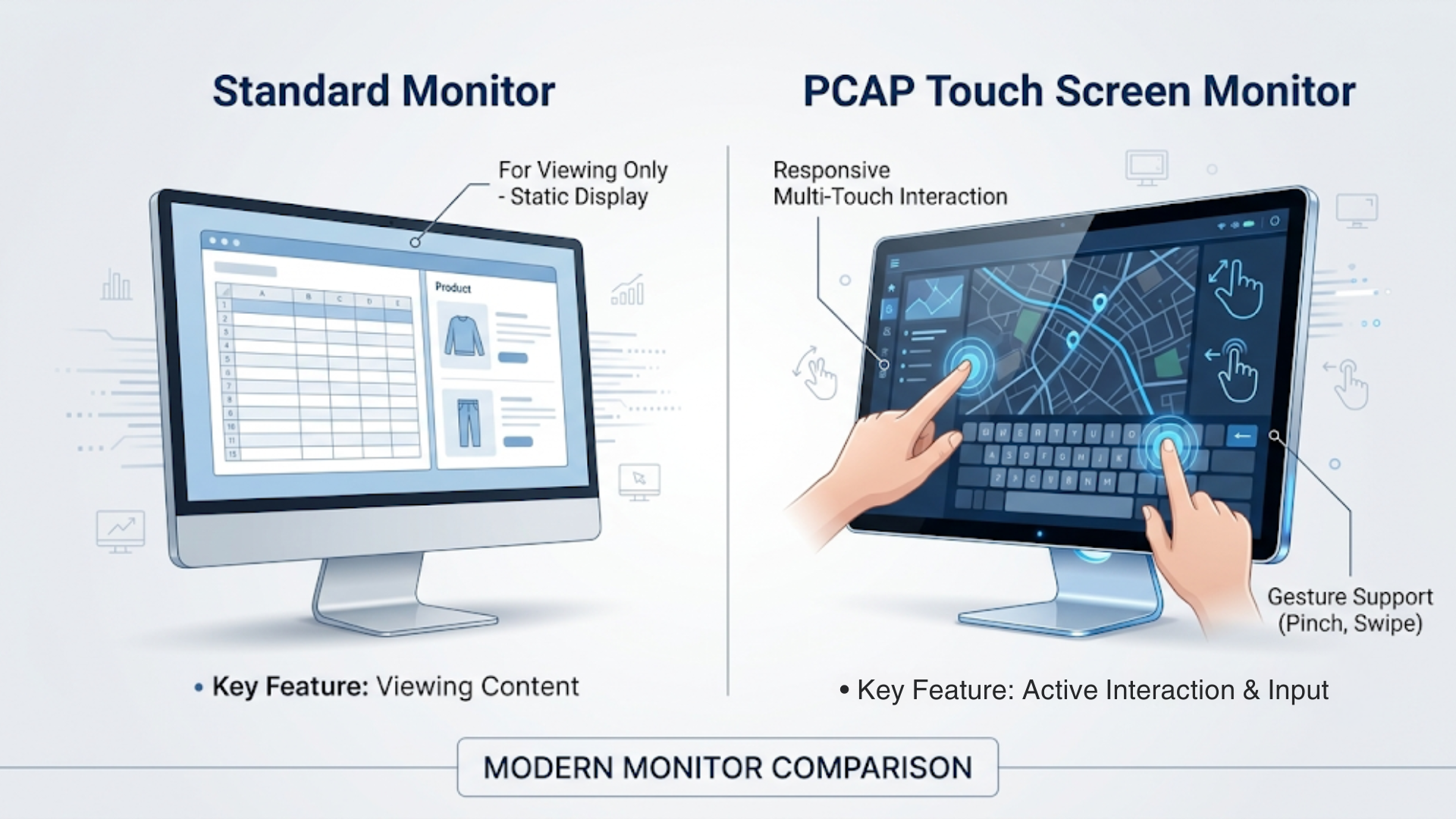
PCAP stands for projected capacitive touch. It is the same general type of touch technology many people are used to on phones, tablets, kiosks, and other interactive screens. Instead of relying on pressure, PCAP detects touch through changes in an electrical field across the glass.
That difference matters in arcade environments. Players may tap quickly, drag across the screen, or use repeated touch motions during gameplay. PCAP touch screen monitors are built to read those movements with accuracy and speed.
Standard Monitors Are Often Display-First
A standard monitor is mainly built to show visuals. It may offer good color, brightness, and resolution, but it may not include touch capability at all. If it does include touch, the touch layer may use older technology that does not feel as smooth or responsive.
For basic visual output, a standard monitor can work. But for skill games and interactive cabinets, the monitor has to do more than display the game. It has to act as part of the control system.
PCAP Is Built for Direct Player Interaction
PCAP touch screen monitors are made for hands-on use. They respond to light touches, quick taps, and repeated interaction without needing heavy pressure. This helps the game feel more natural to the player.
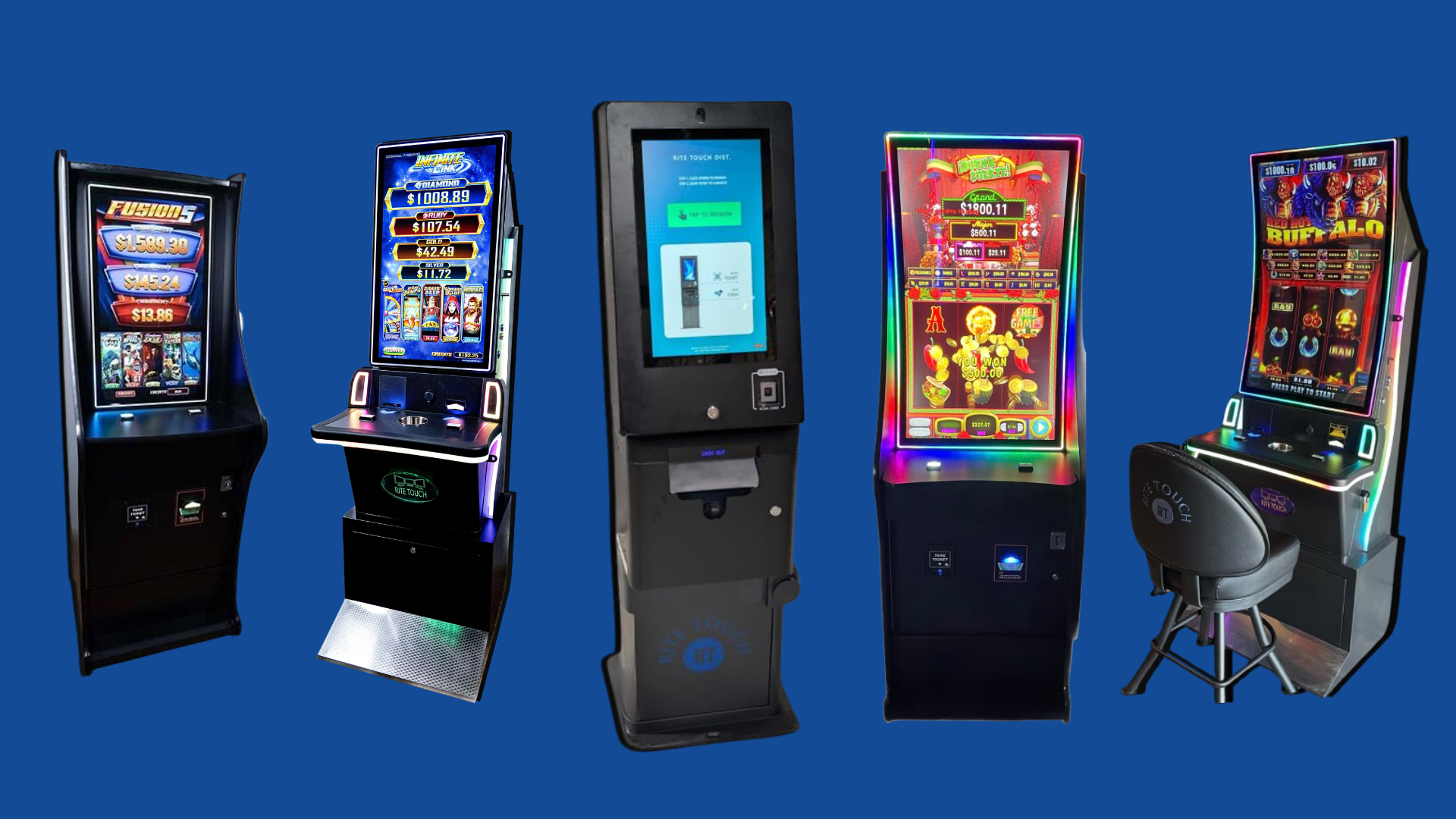
For arcade owners comparing options, this can be an important upgrade. A sharper, more responsive touch screen can make the entire cabinet feel newer and easier to use. When paired with the right cabinet style, such as
43 Inch Skill Game Metal Cabinets, the display becomes part of a stronger overall setup.
How Does PCAP Technology Improve Responsiveness?
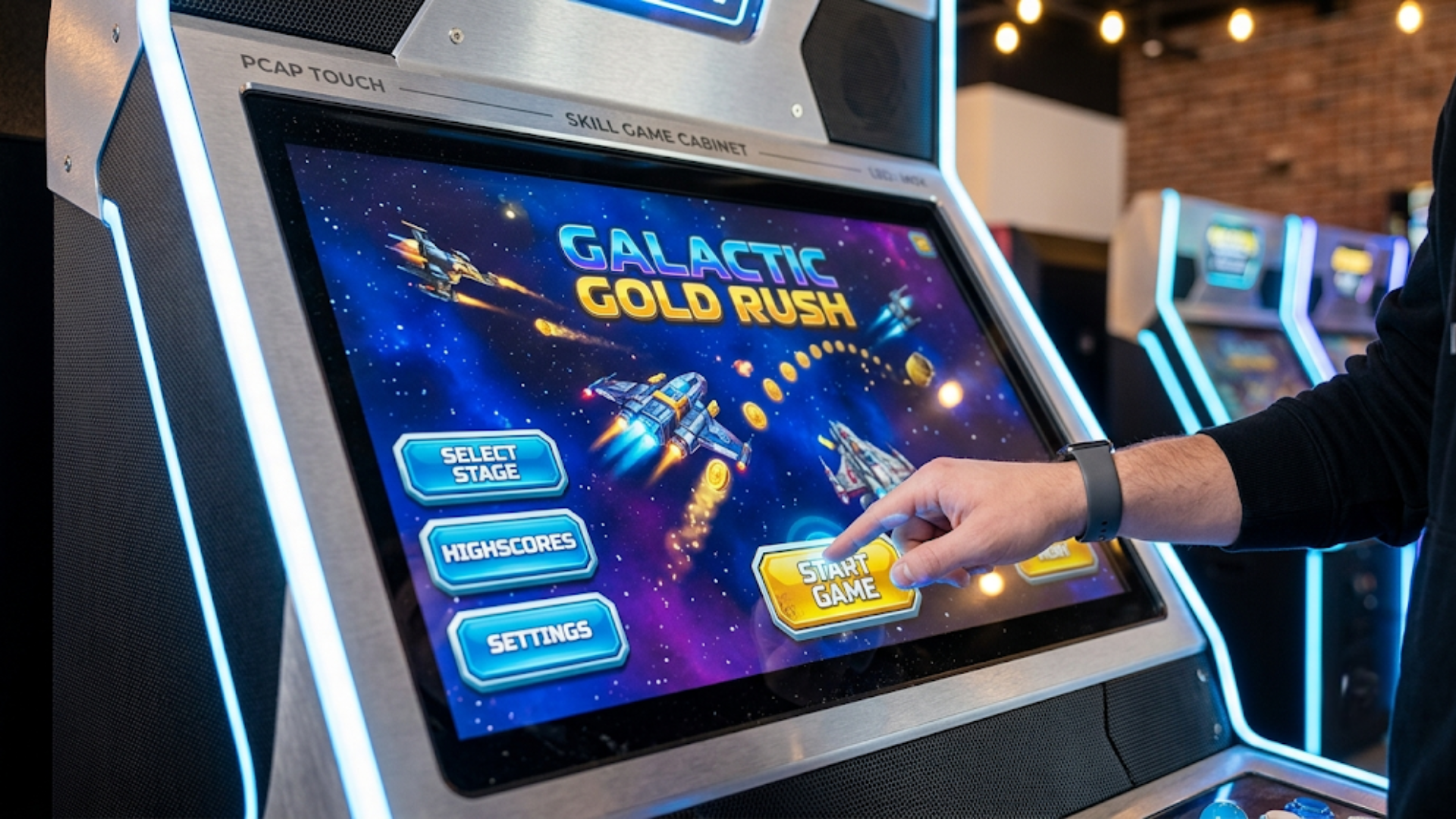
Responsiveness is one of the main reasons arcade owners consider PCAP technology. When a player touches the screen, the action needs to register quickly and accurately. Even a slight delay can make a cabinet feel outdated.
PCAP technology is designed to reduce that lag. The touch layer detects contact quickly, which helps the game respond without making the player press harder or repeat the same action. In a busy venue, that can improve the playing experience from the first tap.
Faster Touch Input Helps Gameplay Feel Better
In skill games, timing matters. Players expect the screen to react when they make a selection or complete an action. A monitor that misses touches or reacts slowly can create frustration.
PCAP touch screen monitors help support smoother interaction by reading touch input with greater sensitivity. This does not change the game software itself, but it can make the player’s physical interaction with the cabinet feel more accurate.
Better Touch Accuracy Reduces User Friction
Touch accuracy is just as important as speed. If a player taps one area but the screen reads another, confidence drops fast. This is especially important on larger screens, where players interact with buttons, menus, and game controls spread across a wider display area.
For many cabinet upgrades, moving to
43 Inch PCAP Touch Screen Monitors can help create a more polished user experience. Larger screens need reliable touch response across the full surface, not just in the center.
When Should Arcade Owners Upgrade Their Displays?
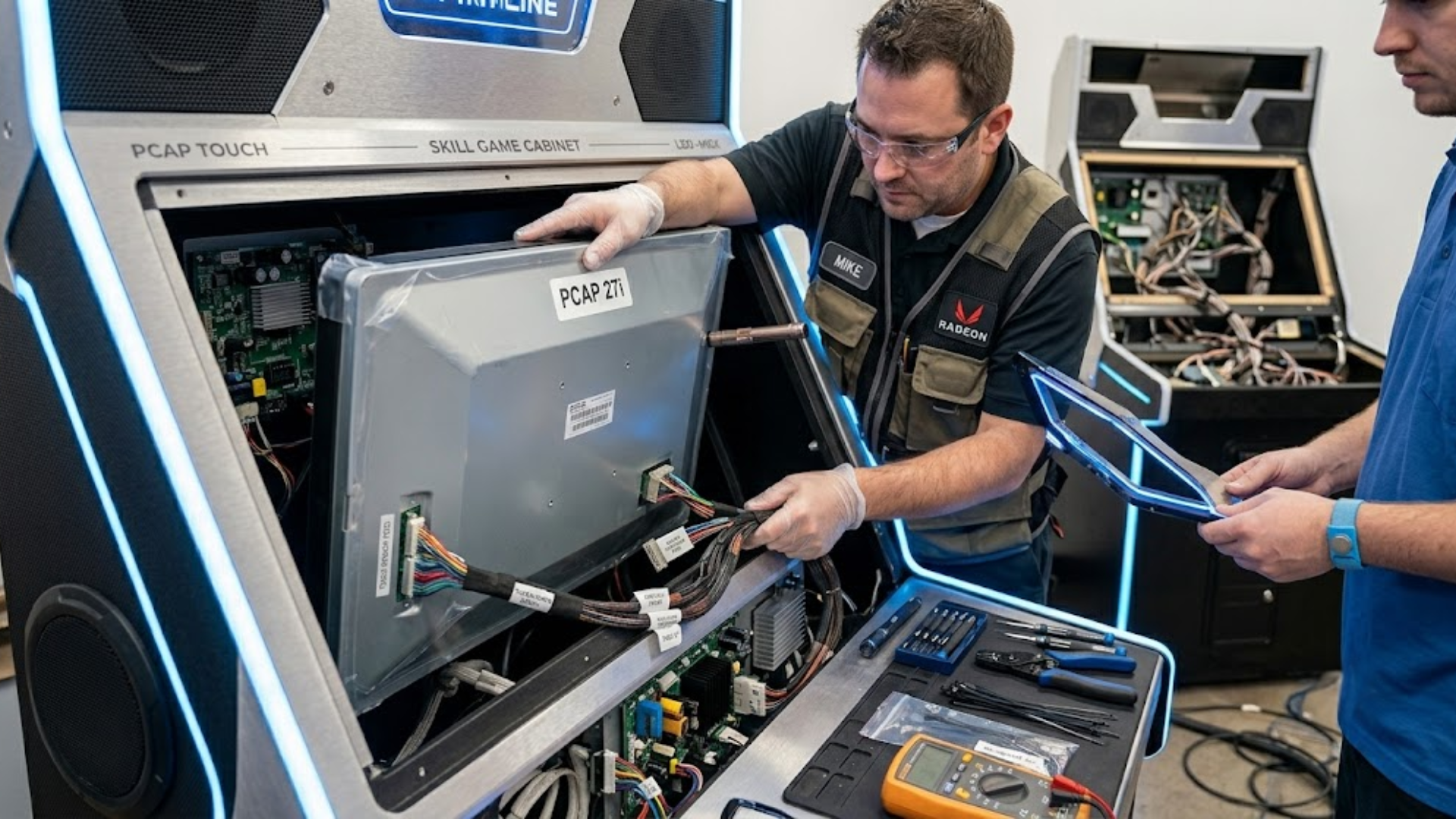
Not every monitor needs to be replaced right away. But there are clear signs that a standard monitor may be holding back the cabinet. If the display looks dated, reacts slowly, or struggles with touch accuracy, it may be time to review better options.
In Philadelphia arcades and entertainment venues, machines often see repeated daily use. That wear can show up in the screen before other parts of the cabinet. The right upgrade can help extend the useful life of the cabinet while improving how it looks and performs.
Upgrade When Players Notice Delays
If players have to tap more than once to make a selection, the screen is creating a problem. The same is true if touch points feel inconsistent or the monitor does not respond well near the edges. These issues can make a good game feel unreliable.
PCAP technology is often a smart choice when responsiveness is the concern. It gives players a lighter, quicker touch experience that feels more like the modern screens they already use every day.
Upgrade When the Cabinet Looks Outdated
Visual quality matters too. Bright, clean arcade displays help attract attention, especially in venues with multiple machines competing for players. A dull screen or worn touch surface can make the cabinet look older than it is.
For owners planning broader cabinet upgrades, it may also make sense to compare related parts at the same time. Items like
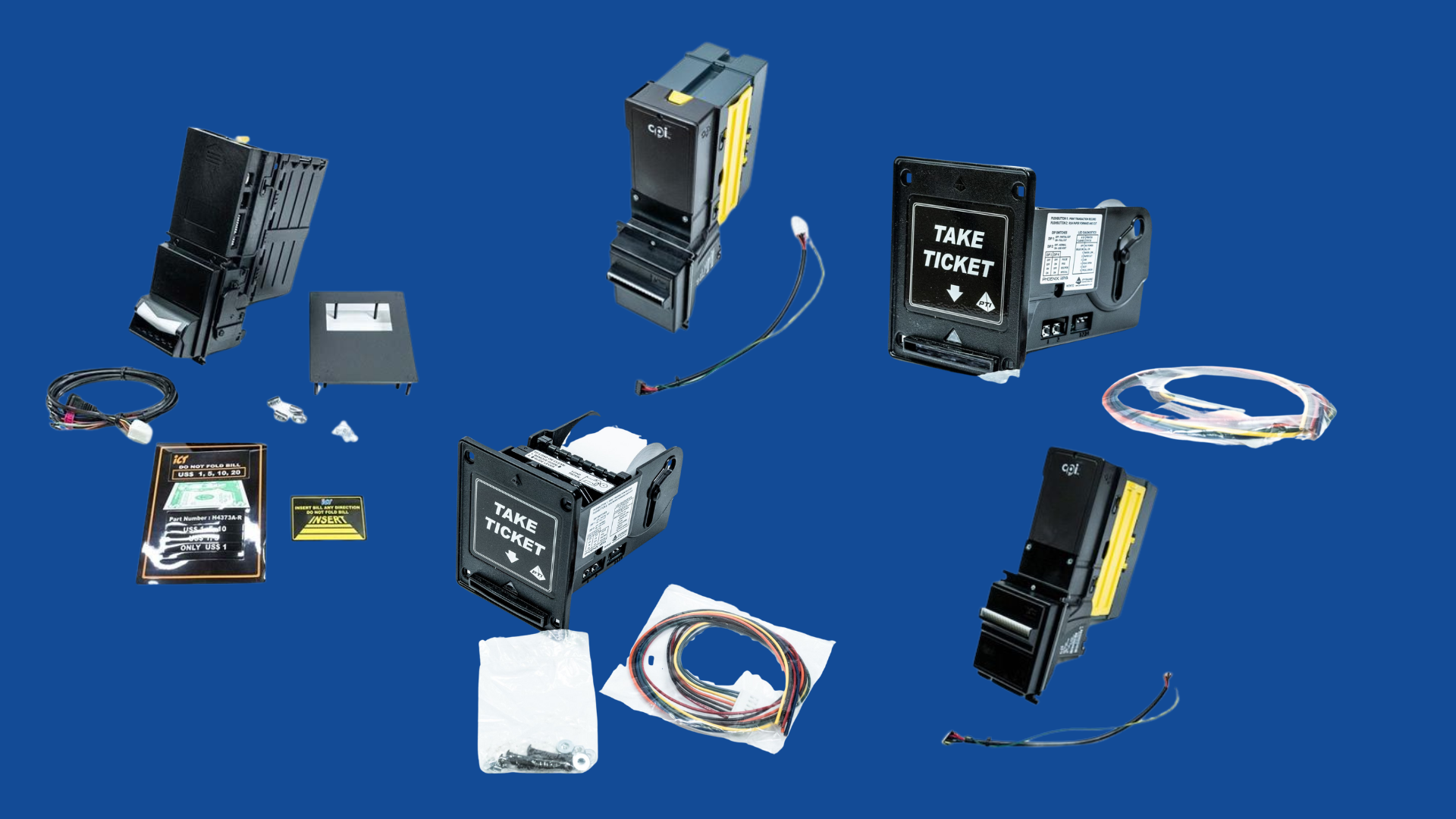
Wiring Harness, Power Supply, and Printers can support a more dependable setup when matched correctly with the display and cabinet.
What Should You Look for Before Choosing a Monitor?
Choosing a monitor should not be based on size alone. Arcade owners need to think about cabinet fit, touch performance, durability, and the kind of environment where the machine will be used. A monitor that works well in one setup may not be the best choice for another.
The goal is to choose a display that supports the cabinet, the game, and the player experience. That means looking at both the screen and the surrounding hardware.
Match the Monitor to the Cabinet
A 43-inch display needs the right cabinet structure. It should fit securely, align properly, and support the type of gameplay the cabinet is designed for. Poor fitment can create service issues later.
This is why many buyers review the cabinet and monitor together. For example, arcade owners comparing
43 Inch Skill Game Wood Cabinets may also want to review compatible monitor options before placing an order. The cabinet style, screen size, and finish should work together.
Think About Long-Term Use
Arcade equipment is not used lightly. Players may tap repeatedly, lean in close, or interact with the screen for long periods. The display must be ready for steady operation.
PCAP touch screen monitors are a strong option for locations that need dependable player interaction. They are especially useful when the screen is central to the game experience rather than just a display panel.
Compare Screen Size and Player Experience
A larger screen can make a cabinet more visible on the floor. It can also create a more engaging visual layout for the player. But size should still match the use case.
A 43-inch screen may be ideal for venues that want a bold cabinet presence. A smaller option, such as
32 Inch PCAP Touch Screen Monitors, may work better where space is tighter or where the cabinet design calls for a more compact display.
Why This Matters for Philadelphia Arcade Owners
Philadelphia, PA has a wide range of bars, lounges, arcades, and entertainment venues where equipment needs to look sharp and perform consistently. A cabinet that reacts quickly and displays clearly can help keep players engaged, while outdated screens can make the whole setup feel worn. For arcade owners in Philadelphia, choosing PCAP touch screen monitors is a practical way to improve responsiveness, support cabinet upgrades, and keep arcade displays ready for daily use.
Choose the Right Monitor with Rite Touch Distribution
Rite Touch Distribution helps arcade owners choose products that fit their cabinets, venue needs, and player experience goals. To compare PCAP touch screen monitors and choose the right product, call 412-921-9800 today.
Frequently Asked Questions
What are PCAP touch screen monitors?
PCAP touch screen monitors use projected capacitive touch technology to detect touch through the screen surface. They are known for light-touch response, accuracy, and a modern feel. This makes them useful for arcade displays and skill game cabinets where players interact directly with the screen.
Are PCAP monitors better than standard monitors for arcade cabinets?
For interactive cabinets, PCAP monitors are often a better choice than standard monitors because they are built for touch input. A standard monitor may display the game well, but it may not provide the same responsiveness. If players need to tap, select, or control the game through the screen, PCAP is usually the stronger option.
When should I replace an arcade cabinet monitor?
You should consider replacing a monitor when it responds slowly, misses touches, looks dim, or no longer fits the quality of the cabinet. If players notice delays or have to press harder than expected, the display may be hurting the experience. Upgrading the screen can be one of the most noticeable cabinet upgrades.
Do 43-inch PCAP monitors work for skill game cabinets?
Yes, 43-inch PCAP monitors can be a strong fit for skill game cabinets that need a larger interactive display. The larger size can improve visibility and create a more modern cabinet appearance. The key is choosing a monitor that fits the cabinet design and supports dependable touch performance.
Can Rite Touch Distribution help me choose the right monitor?
Yes. Rite Touch Distribution can help arcade owners compare monitor sizes, cabinet options, and related parts. If you are in Philadelphia or planning equipment for a business venue, calling 412-921-9800 is a good next step.
PCAP touch screen monitors give arcade owners a better way to support fast input, clear visuals, and reliable player interaction. For businesses in Philadelphia, PA, the right screen can improve how a cabinet looks and feels without replacing the entire machine. When you are ready to choose a product, Rite Touch Distribution can help you compare your options and make a smart selection.